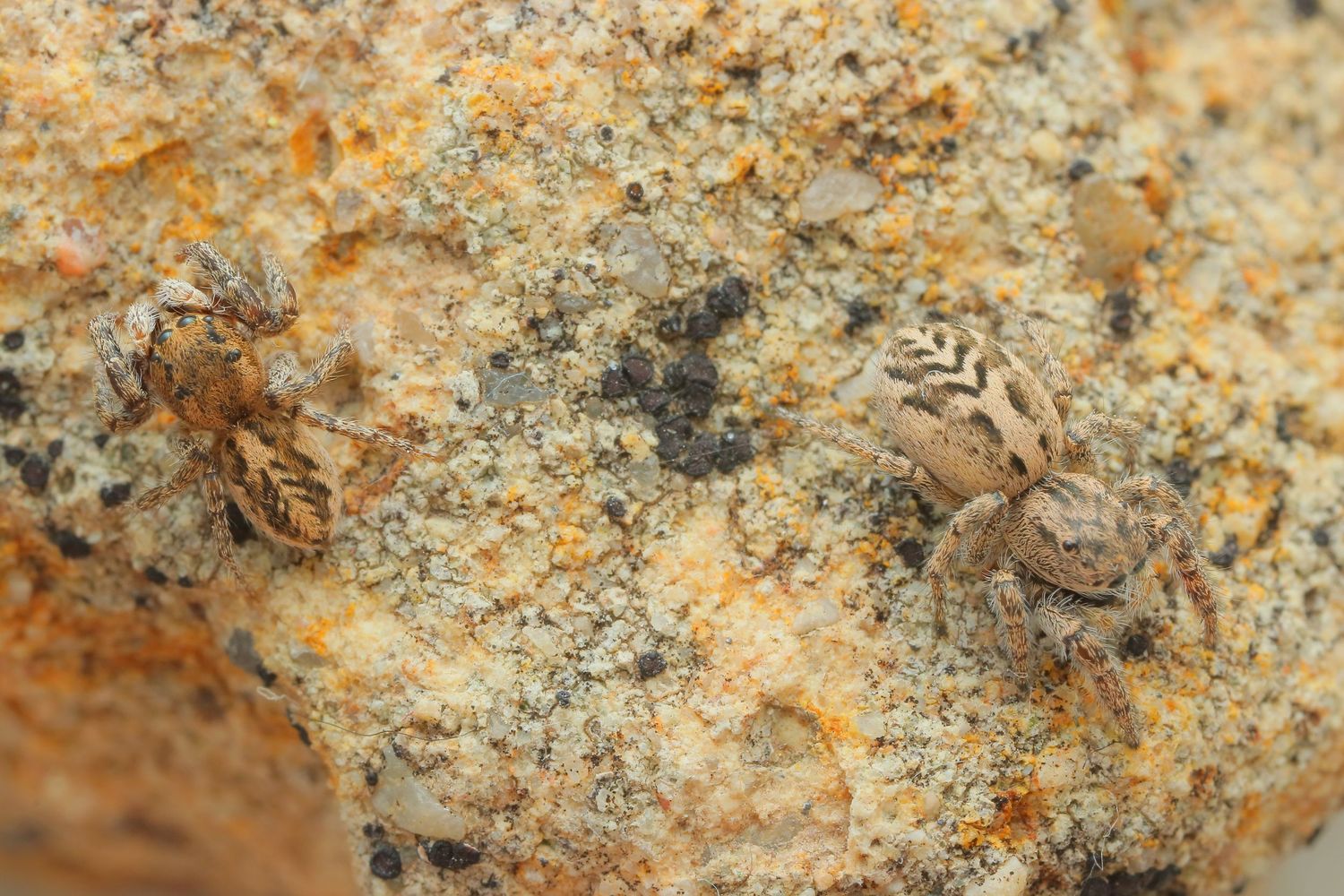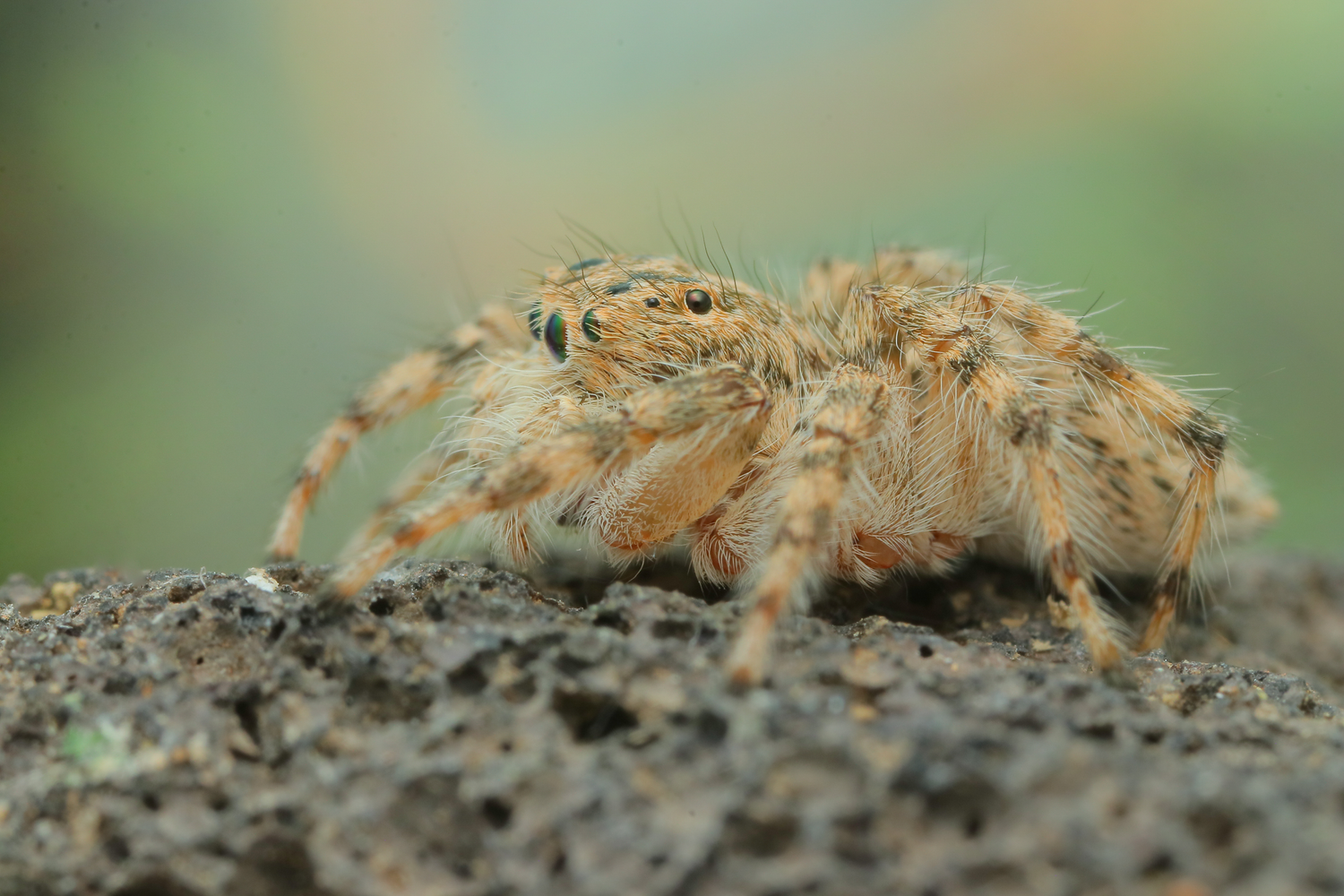
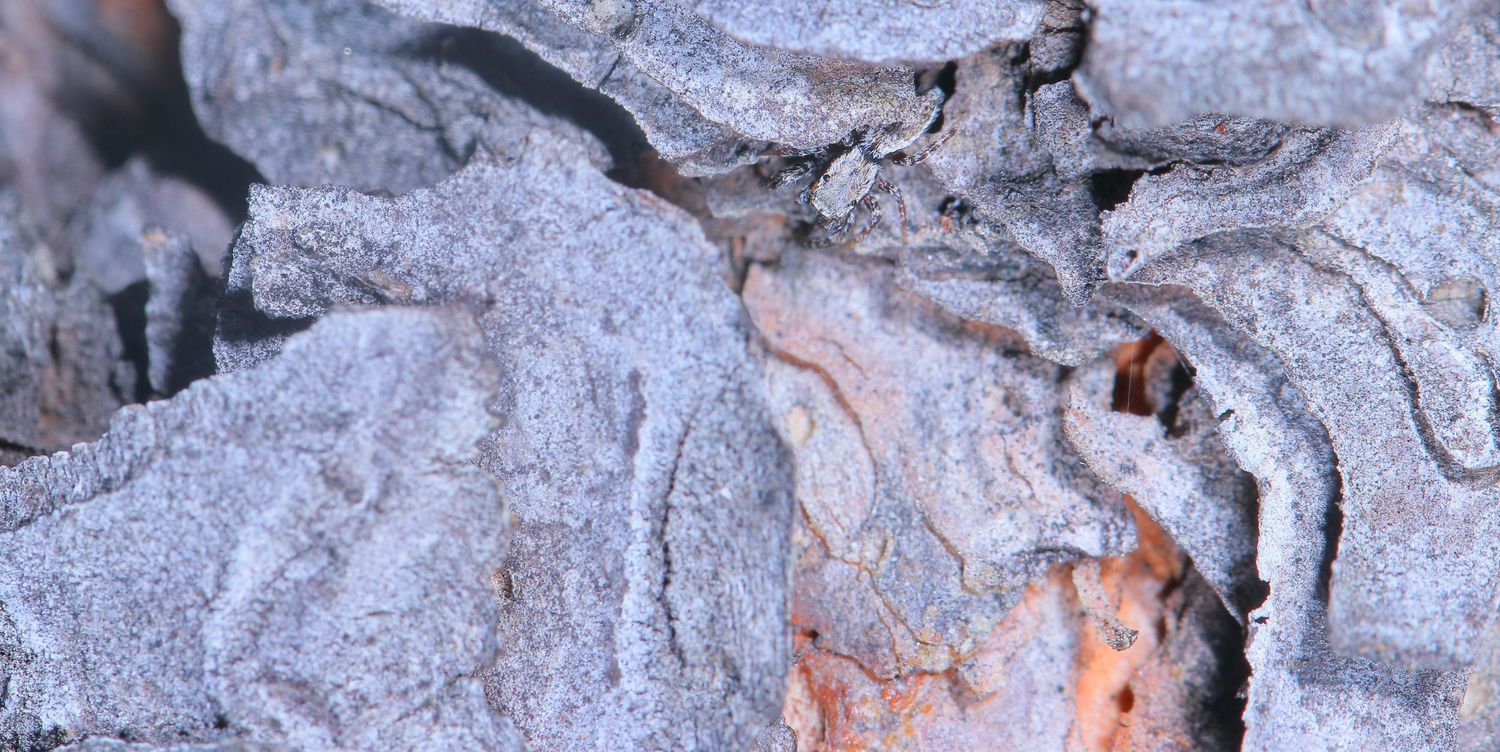
Personal collecting
Although the prospect of, say, a jumping spider as a household pet, is quite tantalizing to a large number of people today, it is fueling a market which could be extremely dangerous to the survival of many of these species and their unique environments. Mass-collecting of jumping spiders is starting to become more and more of a concern as the demand for pet jumping spiders continues to grow, with hobbyists offering more for colorful or uncommon species; thus, they are usually targeted heavily and sold for facetious amounts. This trend is only going to spread to other types of arthropods as more people “appreciate” their beauty.
Because these spiders are often collected from areas where government intervention is unlikely (like collecting in Mexico, which is illegal, but still happens often), probably the only way that we can stop this trend in the short term is by not buying arthropods from untrusted sources, or even better, not buying wild-caught arthropods at all.
If you want a pet jumping spider (or other arthropod), your best bet is just to look around your yard for one, preferably a juvenile, and attempt to raise it. If things go for the worse and the subject isn’t eating, or appears to be failing to thrive, release it where you found it — it will probably manage to stabilize just fine despite the setback. If things go well, then you’ve figured out how to raise that species, and you’ve also completed a practical biological lesson in raising an arthropod to adulthood!
If you simply must buy one, please buy from a trusted individual or organization that you know is doing captive breeding, and not mass-collecting from the field. Raising a jumping spider, or keeping them as pets, is a fantastic venture. provided they were collected legally, is completely different than mass-collecting from the wild, and even more so when you are doing it for educational/research purposes! This is similar to why butterfly collecting is still important despite hundreds of years of collecting (A quick read: Why we still collect butterflies, by Andrew Warren). The educational and future benefits often far outweigh the harm to a species from these types of collections.
Collecting for science
To fellow citizen scientists: The importance of collecting arthropods, especially in the field of arachnids, cannot be understated — provided it is done legally, and with the correct mindset. In my personal collection, I have many Salticidae specimens collected legally, which, if I submitted to my local museum today, would represent the first material records of those species in the museum. Many of these species I only collected because I knew there were no specimens of them in my local museum! Although this sounds like an accomplishment, it is hardly one at all — rather, it is the manifestation of a lack of Salticidae collecting in my state. When preparing to collect arthropods for the first time, several questions should be asked:
- Are you legally collecting the specimens you are taking? Do you have a permit and/or have you studied the laws carefully and/or have you contacted the landowners for their permission?
- Are you disturbing/degrading the species’ habitat significantly? (in which case, you will actually hurt the population much more than just by taking specimens!)
- Does your method for collecting the specimens endanger other animals? (in which case - can it be prevented by some means?)
Many entomologists or arachnologists can feel very uncomfortable when collecting, especially when they know little about a certain species that could be scarce or endangered already. However, properly collected specimens are essential for scientific work in taxonomy, morphology, ecology, and genetics. Specimens can even give scientists valuable clues about how to better protect and manage species that may be at risk of disappearing. So, if you decide to collect arthropods in the interest of science, make sure you are collecting without guilt because you are collecting in the species’ best interest — in which case, you may be contributing to many more species’ livelihoods in the long run with your efforts!
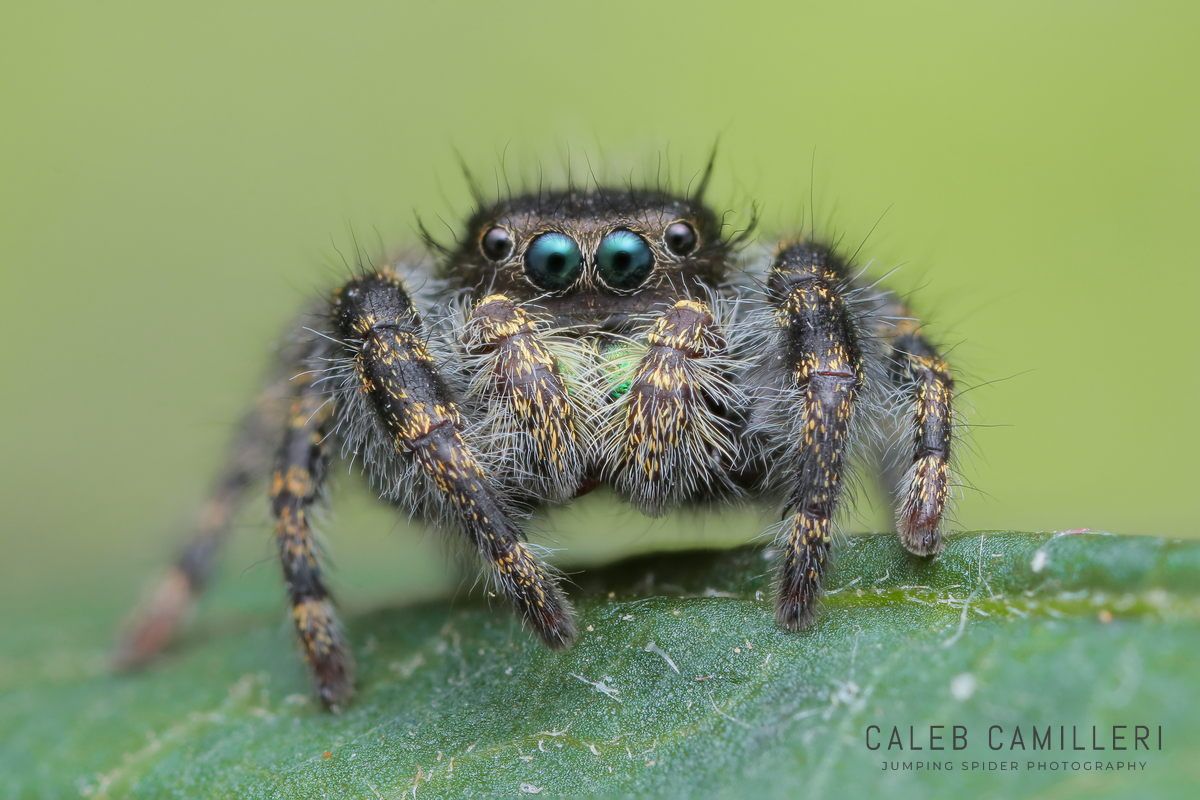
A penultimate male Phidippus audax. This is one of the most commonly encountered species in the United States, likely because it thrives in urban environments and is very widespread. It is also quite simple to care for, and adults can live 1-2 years in captivity.
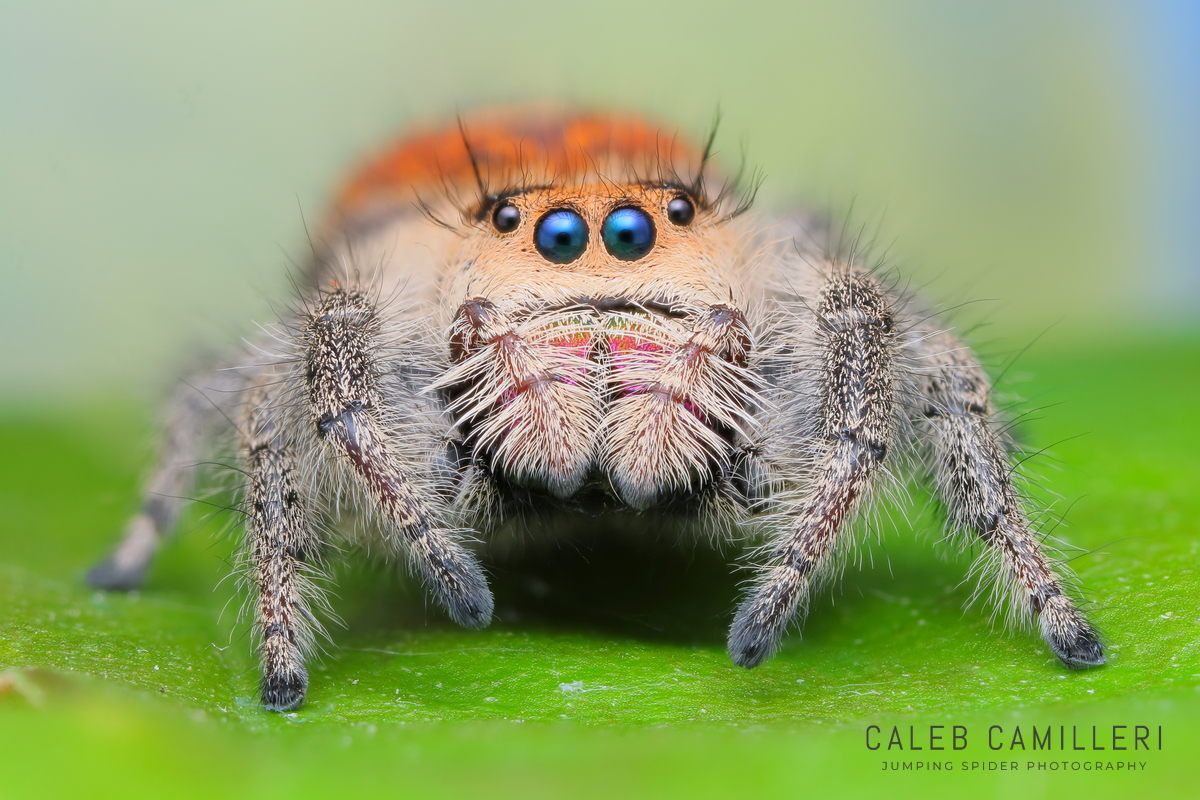
An adult female Phidippus regius. This is a very common species in the jumping spider pet trade because of their large size, longer average lifespans, and colorful patterns. Sadly, many of the individuals sold online are mass collected from sites in Florida, but there are also many people which captive-breed this beautiful species.
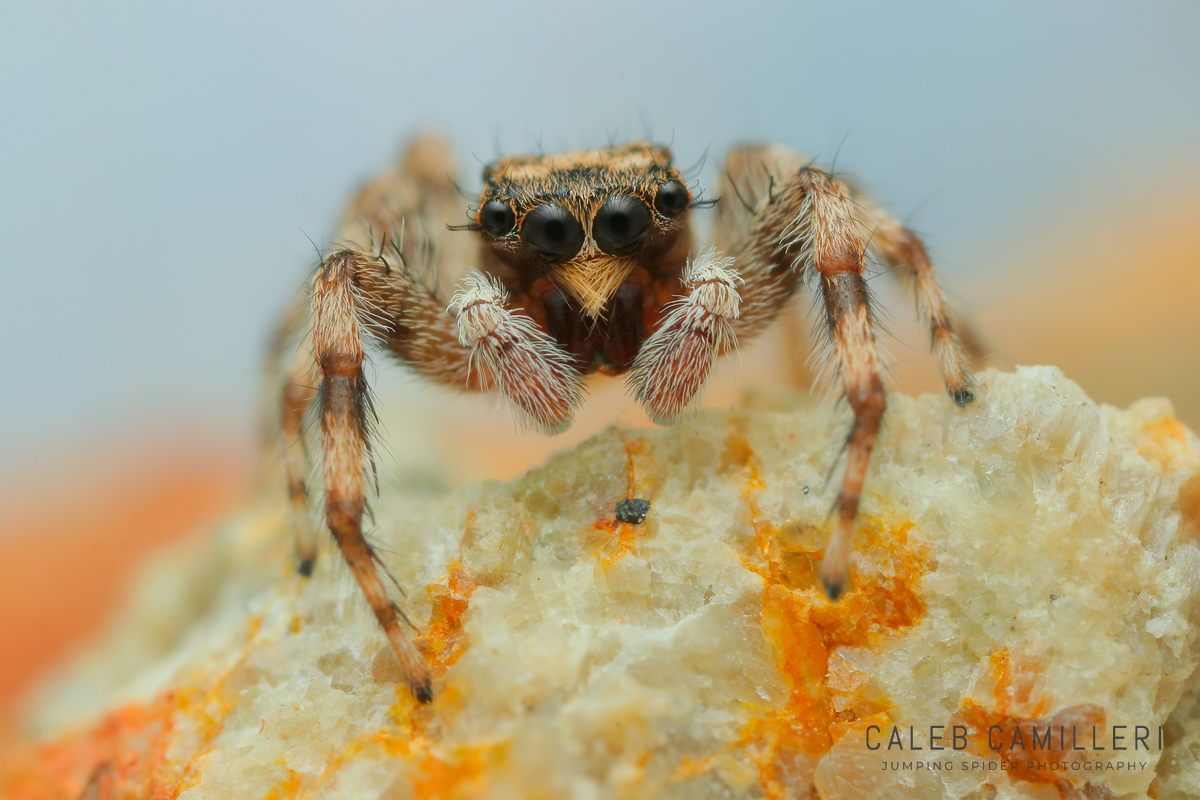
An undescribed species of Platycryptus from Texas with an orange triangular tuft below the anterior median eyes. This species was also collected by Dr. David Richman.
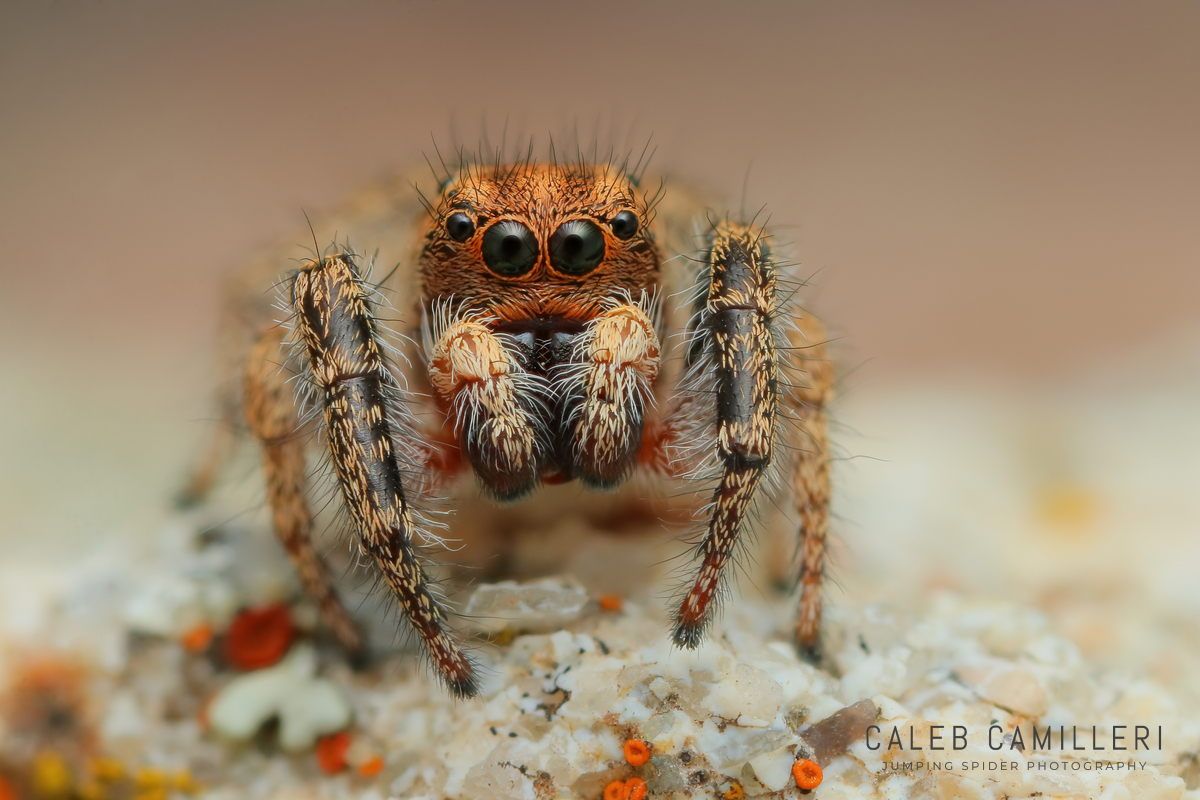
An undescribed species of Pellenattus, nicked "COELB" by Dr. Wayne Maddison. Previously, this species was only known from a single female specimen in a museum.